
If you’ve started shopping for a used Mazda CX-5, you’ve probably noticed something frustrating pretty quickly: prices for the exact same model year can swing by thousands of dollars depending on where you look. One listing seems like a steal, another feels overpriced, and you’re left wondering what a “fair price” actually looks like.
The truth is, there’s no single number that applies to every CX-5. What you pay depends on a handful of specific factors, and once you understand them, you’ll know within minutes whether a listing is a good deal or one to skip.
Why CX-5 Prices Vary So Much
The Mazda CX-5 has built a reputation as one of the more reliable and well-built compact SUVs on the market, which means demand for used ones stays fairly strong. But “strong demand” doesn’t mean every CX-5 is priced the same. A few key variables do most of the work in determining what a specific vehicle is worth.
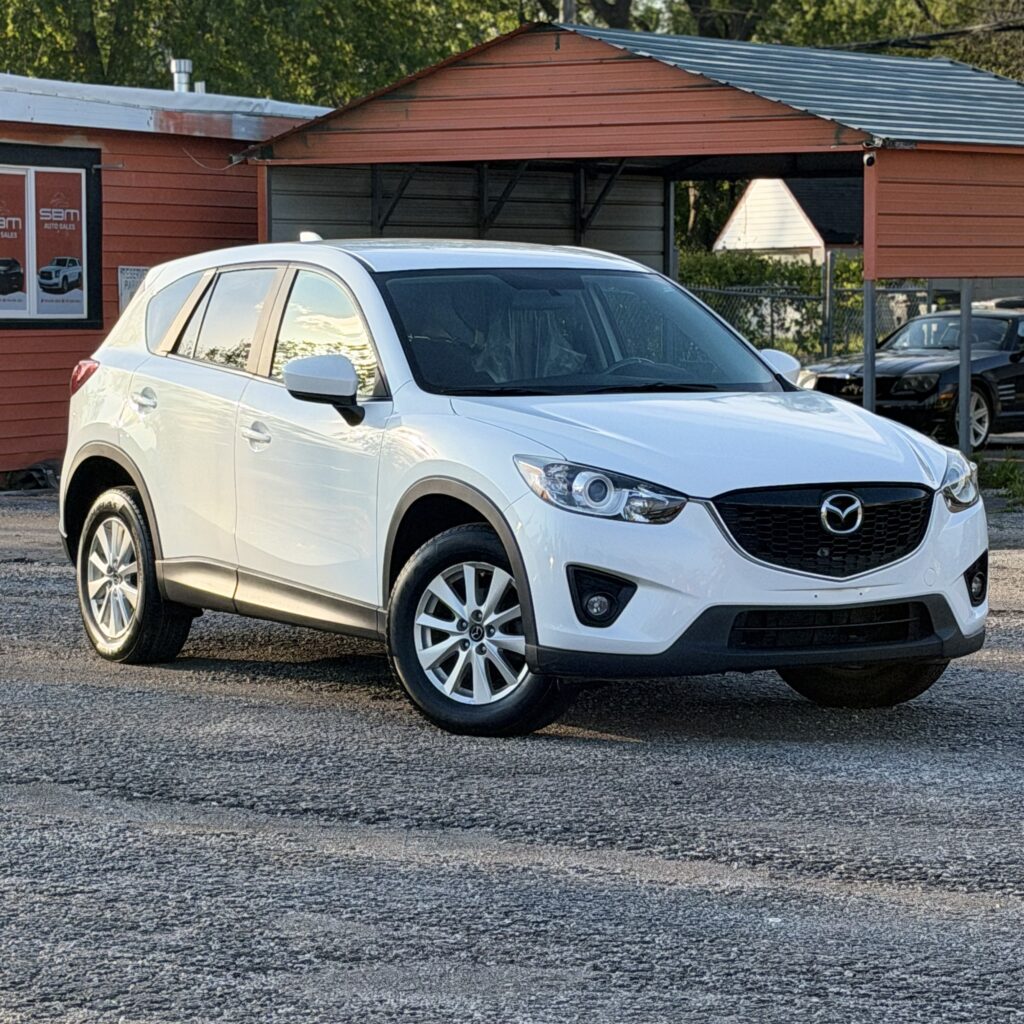
1. Trim Level
The CX-5 comes in several trims, and each one changes the price meaningfully. A base Sport trim will cost noticeably less than a Touring trim, and a Grand Touring or Signature trim will cost more still. A used Mazda CX-5 Touring in particular tends to be a sweet spot for a lot of buyers — it typically adds features like leather-trimmed seats, a moonroof, upgraded infotainment, and additional safety tech over the base model, without pushing into the premium pricing of the top trims. If you’re comparing two CX-5s and one is priced higher, check the trim badge before assuming you’re being overcharged.
2. Mileage
This is the most obvious factor, but it’s worth being precise about it. A CX-5 with 40,000 miles and one with 110,000 miles are not the same purchase, even if they’re the same model year. Lower mileage generally means less wear on the engine, transmission, and suspension, which is why it commands a higher price. That said, mileage alone shouldn’t be the only thing you look at — a high-mileage CX-5 with full service records can sometimes be a smarter buy than a low-mileage one with no documented maintenance history at all.
3. Model Year and Generation
Mazda redesigned the CX-5 in 2017, and that update brought noticeable improvements in interior quality, safety features, and overall refinement. A CX-5 from before that redesign will typically be priced lower than a newer one with similar mileage, simply because it’s an older platform with fewer modern conveniences.
4. AWD vs. FWD
All-wheel drive versions of the CX-5 usually carry a slightly higher price than front-wheel drive versions. If you live somewhere with real winters or regularly drive on unpaved roads, that difference in price is often worth it. If you’re mostly doing city and highway driving in mild weather, FWD can be a perfectly practical way to save some money.
5. Accident History and Title Status
This one matters more than people often realize. A CX-5 with a clean title and no reported accidents will always be worth more than one with prior damage, even if the repair was done well. Before deciding a price is too high or too low, it’s worth pulling a vehicle history report to see what you’re actually comparing.
6. Maintenance Records
A CX-5 with a documented history of oil changes, fluid services, and routine maintenance is a lower-risk purchase than one with no paperwork at all, even if the price is a bit higher. A well-documented service history can justify paying more upfront, since it usually means fewer surprise repairs down the road.
How to Spot a Fair Deal
Instead of chasing a specific dollar figure, use this quick checklist when comparing CX-5 listings:
- Does the price make sense for the trim level, or is it priced like a higher trim without the features to match?
- Is the mileage reasonable for the vehicle’s age, or unusually high or low for its year?
- Is there a clean title and a documented accident-free history?
- Are there maintenance records, or at least a general service history available?
- Is it AWD or FWD, and does that match what you’re actually paying for?
If a listing checks most of these boxes and the price still feels low, that’s usually a good sign. If it checks none of them and the price is low, that’s typically a red flag rather than a deal.
Why Buying From a Dealer Makes This Easier
Shopping private-party listings can work, but it puts all the research and risk on you. There’s no guarantee the seller is upfront about accident history, mechanical issues, or the real condition of the vehicle. A dealership generally inspects vehicles before they’re sold, provides more transparency around history, and offers financing options private sellers can’t match. That combination of inspection, documentation, and support is often what separates a fair deal from a risky one. Whenever you see a Mazda CX-5 Touring for sale, that inspection and documentation are exactly what to check for first.
Check Listings Online Before You Visit
One of the easiest ways to save time is to do your comparison shopping online first. Most dealerships list their current inventory on their website, including photos, mileage, trim details, and often a vehicle history summary. Spending a few minutes browsing listings from your phone or laptop lets you shortlist options before you ever step onto a lot, and makes it easier to compare similar trims and mileage side by side instead of relying on a single in-person visit.
Find Your CX-5 With Confidence
A used Mazda CX-5, especially in Touring trim, can be one of the smartest compact SUV purchases you make — as long as you know what’s driving the price. Trim, mileage, model year, drivetrain, and history all matter more than any single number you’ll find online.
If you’d rather skip the guesswork, visit our website and browse our current Mazda CX-5 Touring for sale listings to see inspected, well-documented options and get a straightforward answer on what fair pricing looks like for the exact vehicle you’re considering.